Market · 4 min read
Luxury Real Estate on the French Riviera: Market Trends, Taxes, and Living in 2026
Prime property prices, French tax rules for second homes, and private villa stays: a clear, direct guide for late 2026.
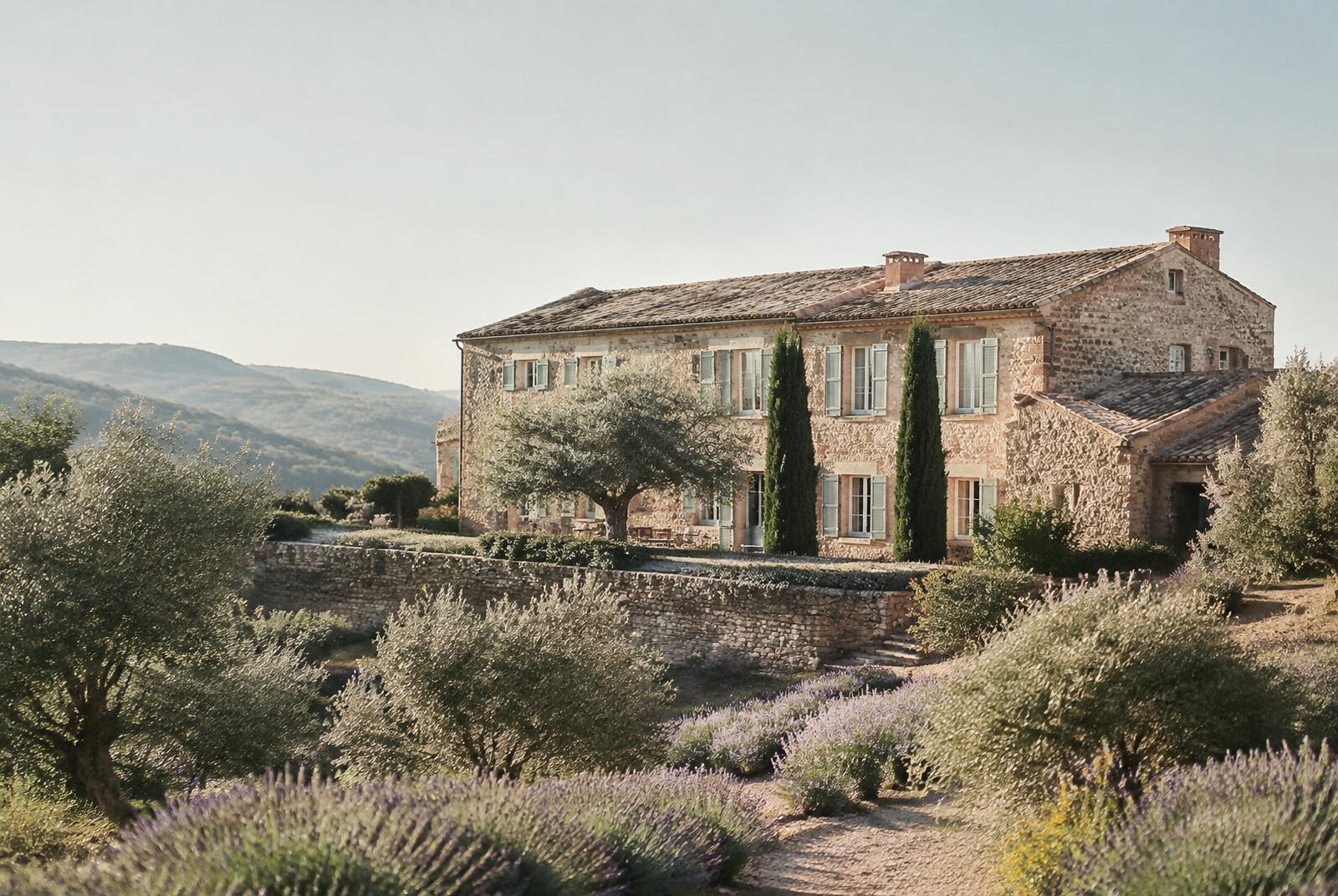
Buying, owning, or renting a luxury villa on the French Riviera is a unique experience. In late 2026, between ongoing French tax updates and shifting buyer priorities, the key rules of the market are clearer than ever.
Whether you own a secondary residence or are planning a private stay, here are the three practical realities you should know today.
1. Prime real estate: high demand for privacy and turnkey homes
The luxury property market across Saint-Tropez, Cannes, Cap d'Antibes, and Saint-Jean-Cap-Ferrat remains solid. Most transactions are completed in cash, keeping the prime sector insulated from standard mortgage rate changes.
However, buyers are much more selective:
- Complete privacy comes first: Estates screened from view, set in mature gardens with secure, quiet access, generate the highest interest.
- Turnkey quality: Buyers want homes finished with refined materials, reliable smart-home features, and good energy efficiency.
- The off-market network: The finest estates rarely appear on public portals. They change hands discreetly between vetted buyers and private owners.
The immediate hinterland, especially around Mougins and Valbonne, continues to draw international families seeking larger plots, open space, and a relaxed lifestyle just twenty minutes from the Mediterranean.
2. French property taxes: what owners should watch in 2026 and 2027
French real estate taxation is currently debated in Parliament as part of the 2027 national budget. Here is what matters for property owners:
- Furnished rentals (LMNP status): Proposals aim to cap depreciation allowances on holiday rentals. These measures are still under debate in the Senate and not yet final law, but the general direction points to tighter tax treatment for short-term lets.
- Second-home surcharges: Most high-demand towns along the Riviera apply local surcharges on secondary residences. These operating costs should be factored into your annual maintenance plan.
- French real estate wealth tax (IFI): The entry threshold remains set at €1.3 million of net taxable real estate. Given local square-metre values, reviewing your holding structures (such as a French civil company or split ownership) is standard practice to safeguard family assets.
Our advice is straightforward: avoid reacting hastily to draft amendments. Schedule a clear review of your properties with local specialists who understand both legal rules and local real estate values.
3. Private villa stays and concierge care: enjoying the Riviera year-round
The French Riviera lifestyle is no longer confined to July and August. Discerning guests and homeowners increasingly travel during spring and late autumn to enjoy mild weather, uncrowded coastal paths, and quiet villages.
This year-round rhythm changes what guests expect from a stay:
- Tailored in-villa service: A private chef preparing seasonal local produce, a chauffeur on call for trips to Nice or Monaco, and five-star housekeeping.
- Active estate oversight: For an absent owner, knowing their home is inspected, heated, serviced, and kept immaculate year-round provides genuine peace of mind.
- Authentic local life: Enjoying famous seaside restaurants without endless waits, exploring art museums at your own pace, and touring boutique vineyards in the hills above Nice.
Pairing meticulous property management with a high-touch private concierge allows owners to enjoy their home without day-to-day hassles. This is the shared mission of ValorPatrimoine for asset management and Maisons Riviera for luxury villa rentals and bespoke guest services.